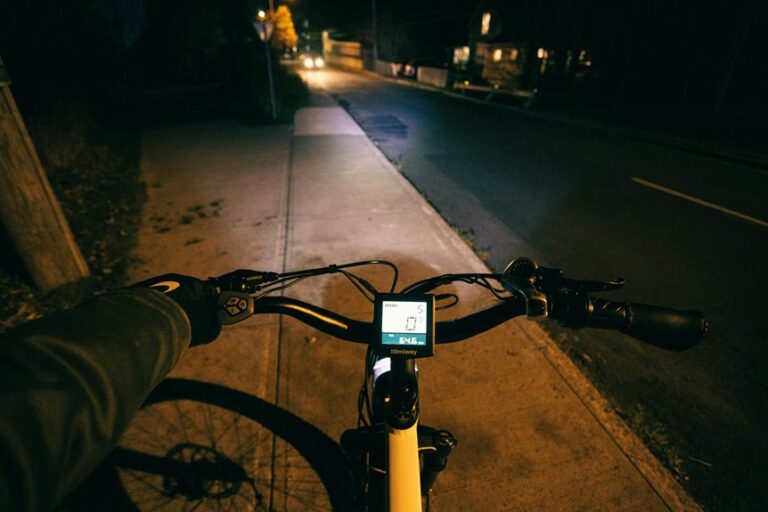

A bike phone mount can seem tight on the bench and still work loose on rough roads. Fit the clamp to the bar near the stem for a steadier hold. Tighten every fastener, add thin padding, and angle the phone slightly inward. Small setup tweaks can make a big difference in stability.
Choose a Mount That Fits Your Bike
Before you clamp anything onto your bike, make sure the mount matches your handlebar diameter so it can sit tight and stay put. When you check bike diameter first, you save yourself from wobble later.
A good fit also improves mount compatibility, so your phone feels like part of the ride, not a loose guest. Look for a clamp that grips a stable, non moving bar and avoid thin, curved spots that can slip.
Then test the hold with a quick shake before you head out. If it stays firm, you’ve got a solid base for the road ahead.
That little bit of care helps you ride with confidence, and you’ll feel like your setup belongs there, just like you do.
Position the Bike Phone Mount for Stability
Once your mount fits the bike, the next step is to place it where your eyes can reach it fast and your hands can leave it alone. Aim for ideal sightline placement near your natural line of view, so you can check maps without staring down. Set the phone at ergonomic viewing height, high enough to read, yet low enough to keep the road clear.
A slight inward tilt can cut glare and help the screen stay easy to scan. You’ll also feel more settled whenever the mount sits on a steady spot that doesn’t flex or wobble. That calm setup helps you ride with your crew and stay present.
Small position changes can make a big difference, and they often turn a shaky ride into one that feels smooth and familiar.
Tighten Clamps and Locks Properly
Give the clamps and locks a firm, even turn so the mount settles into place without strain. You want a secure fastening, not a desperate squeeze that slips later.
Hold the mount steady, then tighten each side a little at a time so the pressure stays balanced. When you reach the lock mechanism, make sure it clicks or closes fully, because half-set hardware can undo your careful setup fast.
Next, tug the phone cradle gently and give the bar a quick shake. If anything shifts, tighten again until it feels solid and calm. That small extra check helps you ride with confidence, like the setup belongs on your bike, not borrowed from it.
Add Padding to Cut Road Vibration
If your ride feels busy and buzzy, padding can calm things down fast. You can wrap foam cushioning around the contact points to soften sharp road chatter before it reaches your phone. It gives your mount a friendlier grip, so the setup feels less harsh on cracked pavement and light gravel.
For extra relief, try gel inserts where the cradle meets the case. They absorb small hits and help your device feel settled, not rattled. Keep the layers thin enough that the mount still closes firmly and the phone stays easy to read.
As soon as you add just enough padding, you join the riders who want a steadier, calmer carry without turning the cockpit into a wobbly science project.
Balance the Mount to Reduce Handlebar Shake
You can cut handlebar shake by centering the mount’s weight so it doesn’t pull one side down.
Then adjust the clamp position until the base sits on a stable spot and feels even when you give it a quick shake.
A balanced mount rides calmer, and your phone won’t feel like it’s trying to start its own little dance.
Center Weight Evenly
A well-centered phone mount does more than look neat, because it helps keep your handlebars calm and your ride steady. You want the weight distribution to stay even, so the mount doesn’t pull one side down and nudge the bars off line. Place your phone so its center of gravity sits close to the middle of the bar setup.
That small choice helps your bike feel more natural, and you’ll notice less wobble upon you hit rough pavement or a quick turn. If your setup includes extra parts, keep them balanced too. A tidy, centered layout also helps you feel like the mount belongs there, not like it wandered in from another bike. When everything sits evenly, you ride with more confidence and less shake.
Adjust Clamp Position
Balancing the phone on the bar is only half the job, because clamp placement also shapes how much shake you feel on the road. Slide the clamp until the weight sits close to the stem, where the handlebar stays calm and steady. Then check clamp spacing so both sides bite evenly and don’t tug the bar off center. You also want enough attachment clearance so cables, bells, and brake lines move freely.
When the mount sits too far out, every pothole feels bigger than it is. A small shift inward can make your ride feel smoother and more like you belong on the bike, not fighting it. Tighten each side in turns, test the hold, and keep the phone aligned with your natural view.
Lock the Phone Case in Securely
Once the phone case clicks into place, give it a firm lock so it can’t slip out whenever the road gets rough. You want that snug click to mean real case retention, not wishful guessing. Press the latch, tighten the arms, or set the clamp until the case feels fused to the mount.
Then tug the phone gently and feel for any wobble. Whenever it moves, lock it again before you roll. That small check enhances phone security and helps you ride with confidence, like you’re part of a steady crew.
Your mount should hold the case so well that bumps don’t get a vote. Once the lock feels solid, you can head out aware your phone’s staying with you, not chasing the pavement.
Adjust the Screen Angle for Less Movement
A slight tilt can keep your phone steadier because it catches less wind as you ride. You should angle the screen just enough for quick glances, so it stays easy to read without acting like a tiny sail.
Should the mount still wiggles, adjust it a little lower or tighter until the screen feels calm on rough roads.
Reduce Wind Catch
Turning your phone a little downward can make a big difference whenever you’re riding. You cut its aerodynamic profile, so gusts can’t shove it around as easily. That simple move also improves crosswind resistance, which helps you feel like part of a steadier riding crew. Check the screen from your normal position, then nudge it just enough to keep the display readable. | Setting | Effect |
| — | — |
|---|---|
| Slight downward angle | Less wind push |
| Low screen height | Smaller profile |
| Centered mount | Better balance |
| Tight case fit | Fewer wiggles |
| Quick test ride | Confirms comfort |
You don’t need fancy gear to belong on the road. A clean setup feels calmer, and calmer rides feel better. Whenever your mount catches too much air, small shifts matter more than brute force.
Tilt For Stability
If your mount already sits lower and catches less wind, you’re halfway to a steadier ride, but the screen angle still matters a lot. Tilt the phone just enough to cut glare reduction and keep your eyes relaxed. A slight downward angle helps the mount feel calmer over rough pavement because it presents less flat surface to shake.
At the same time, don’t tip it so far that you lose downhill visibility when the road drops fast. You want quick glances, not a neck workout. Try a few small adjustments, then ride a short stretch and notice what feels easiest.
When the view stays clear and the phone stays quiet, you’ll know you’ve found the sweet spot.
Test the Mount on Rough Roads
Before you trust your bike phone mount on real roads, give it a rough-road test that shows how it handles the kind of bumps, jolts, and rattles you’ll actually face.
Start with short road condition testing on cracked pavement, then move to rough terrain impact on gravel or washboard paths. You’ll learn fast whether the mount stays calm or starts to wiggle.
Ride the same stretch at a steady pace, and watch for any slip, twist, or screen shake. Whether the phone stays centered and easy to read, you’re in good shape.
Whether it bounces, adjust the setup before your next group ride. This quick check helps you feel confident, and it keeps you rolling with the crew instead of chasing a loose phone.
Recheck Tightness Before Every Ride
A bike mount can feel solid on yesterday’s ride and still loosen up overnight, so a quick recheck pays off every time.
Before you roll out, do a pre ride inspection with your fingers on every clamp, screw, and strap. Give each fastener a firm twist, then shake the mount lightly to feel for play. Whenever anything moves, tighten it now, not at a stoplight. That small habit helps you catch fastener fatigue before it turns into a dropped phone or a rattly ride.
You’re not being fussy; you’re looking out for yourself and everyone riding with you. Upon the mount staying snug, your phone stays steady, and you can head out with that calm, ready feeling every good group ride deserves.
Frequently Asked Questions
Which Handlebar Materials Work Best for a Stable Mount?
Aluminum and steel handlebars are the best choices because they provide a stiff, dependable surface with very little flex. That gives your mount a firmer hold and helps keep your phone steadier and safer while you ride.
How Can I Reduce Glare Without Changing Mount Stability?
You can cut glare by applying an anti glare film and angling the screen slightly downward. This keeps the view clear without loosening any parts, so the mount stays secure and stable for every ride.
What Weather Conditions Can Damage Bike Phone Mounts?
Rain, freezing temperatures, and repeated exposure to moisture can damage a bike phone mount. Water can weaken grips, ice can make parts slip, and cold weather can leave plastic or rubber brittle enough to crack or loosen, increasing the chance that your phone shifts or falls during a ride.
Should I Use a Case or Silicone Bands for Extra Grip?
A case with a snug grip usually gives the strongest hold if it matches your mount well. Silicone bands work best as a backup for added security. On rough rides, using both can help keep your device steady.
How Often Should I Perform a Pre-Ride Shake Test?
Perform a quick safety check before each ride. Make the shake test part of your daily routine so you know your phone is secure and your group is ready before you start.